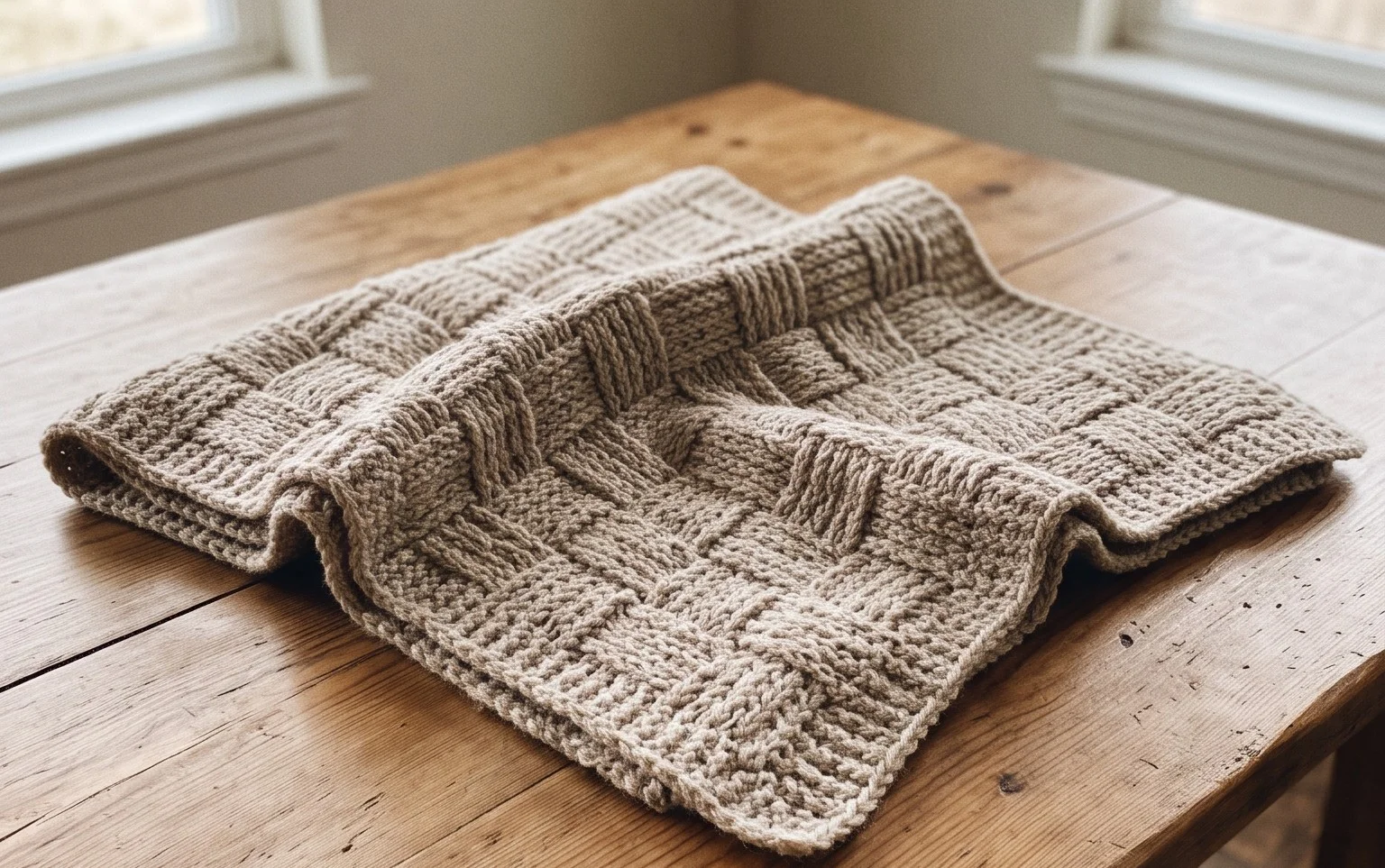
5 Free Easy Sampler Blanket Patterns for Beginners
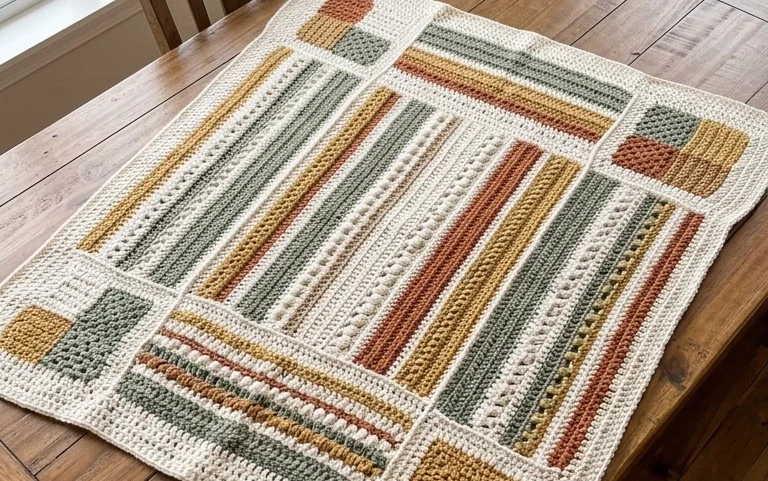
A handmade blanket creates a cozy layer of warmth across your sofa or draped over a bed. These sampler projects combine different textures and stitch patterns into one piece, making them a great way for beginners to build confidence with their hooks. Each square or row introduces a new technique, so the work stays interesting and fresh until the final border is finished. You will gain experience working with various heights and counts while ending up with a unique, heirloom-quality throw. These designs offer a structured way to practice, ensuring your next project has both personality and comfort built right in.
Why You’ll Love This Pattern
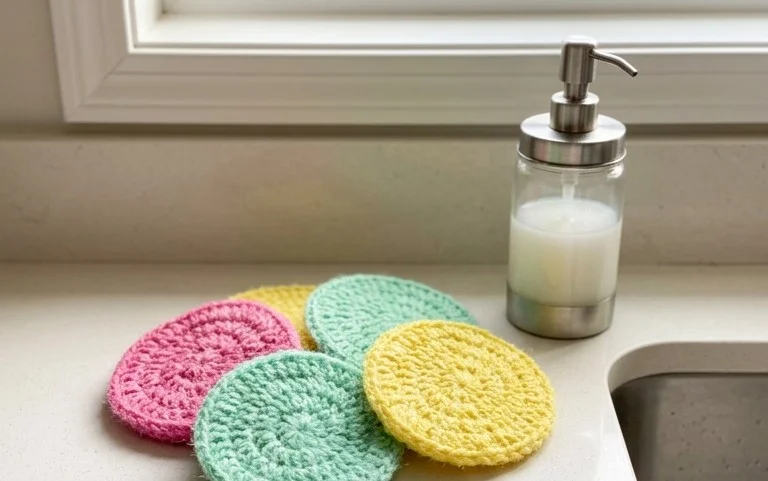
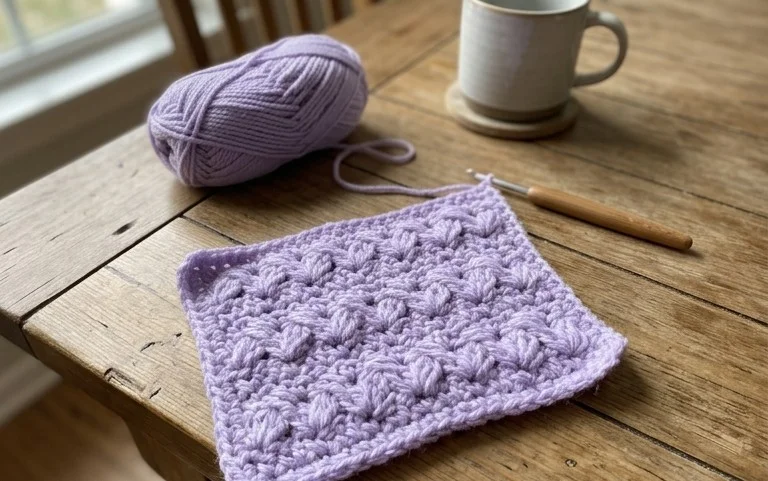
This classic crochet dishcloth is designed using the waffle stitch, a technique that creates deep ridges and pockets. These textures act as tiny scrubbers, making it exceptionally effective at catching crumbs and wiping down kitchen surfaces. Because it is worked in a repetitive, four-row sequence, you can easily memorize the pattern after the first few inches, turning this into a perfect project for relaxing in front of the television or during a commute. The density of the waffle stitch also provides extra padding for handling warm mugs or protecting countertops.
I am usually bored by dishcloth projects, but the waffle stitch makes this grow so fast and the finished texture is actually helpful for scrubbing pans. It feels sturdy and not flimsy like the ones I make with single crochet.
— Sarah, home crafter
Pattern Overview & Skill Level
- Skill Level: Advanced Beginner
- Approximate Time: 2 to 3 hours
- Construction: Worked in flat rows starting from a foundation chain
- Finished Dimensions & Sizing: Approximately 8 inches by 8 inches
Materials & Supplies Needed
- Yarn: Worsted weight (#4) 100% cotton yarn, approximately 75 yards. Cotton is preferred for its absorbency and heat resistance.
- Hook Size: 5.0 mm (US H-8)
- Notions: Tapestry needle for weaving in ends, scissors, and an optional measuring tape to ensure square dimensions.
- Safe yarn substitutions: You may use a cotton-acrylic blend, though it will be slightly less absorbent than 100% cotton. Avoid wool or synthetic acrylics that are not heat-resistant if you plan to use this for hot surfaces.
Stitch Guide & Abbreviations (US Terms)
- ch = chain
- st = stitch
- dc = double crochet
- FPdc = front post double crochet (yarn over, insert hook from front to back to front around the post of the stitch below, pull up a loop, yarn over, pull through 2 loops, yarn over, pull through remaining 2 loops)
- dc2tog = double crochet 2 together (used at end of rows to maintain edge)
- sk = skip
Step-by-Step Pattern Instructions
Foundation
Ch 30. This creates a base that results in an 8-inch width with standard tension.
The Waffle Pattern
- Row 1: Dc in 4th ch from hook and in every ch across. (28 sts)
- Row 2: Ch 2 (does not count as st), *FPdc around next st, dc in next 2 sts; repeat from * until 3 sts remain, FPdc, dc in last 2 sts. (28 sts)
- Row 3: Ch 2, *dc in next st, FPdc around next 2 sts; repeat from * until 3 sts remain, dc in next 3 sts. (28 sts)
- Rows 4–24: Repeat Rows 2 and 3 until the piece reaches a square shape of approximately 8 inches.
Finishing
Fasten off leaving a 6-inch tail. Use your tapestry needle to weave the tail through the base of the final stitches, securing the end firmly so it does not unravel during frequent machine washing. Trim any excess yarn flush with the fabric.
Care & Washing Instructions
- Machine wash on a warm, gentle cycle to remove kitchen oils and debris.
- Lay flat on a towel to air dry, as high heat in a machine dryer may cause the cotton to shrink.
- If the cloth becomes misshapen after washing, pull the corners gently while damp to restore its original square form.
Pro Tips & Common Mistakes to Avoid
- Maintain consistent tension, especially on the post stitches. If your FPdc stitches are too loose, the fabric will appear wavy rather than structured.
- Use a stitch marker at the beginning of each row to help you track your turning chain, which prevents accidentally dropping stitches at the edges.
- To create a larger or smaller dishcloth, adjust your starting chain by multiples of 3 plus 1 extra stitch. Keep in mind that increasing the size will require more than one ball of standard 50g cotton yarn.
- Weave your ends in by moving the needle through the center of the stitches in two different directions. This “locking” technique keeps the ends secure even after dozens of laundry cycles.
Frequently Asked Questions
Can I use a larger hook for this pattern?
Using a larger hook will make the fabric looser and more drapable, but it will reduce the scrubbing power of the waffle texture. Stick to the 5.0 mm hook for a dense, durable kitchen cloth.
Is this project suitable for a total beginner?
While it is labeled as advanced beginner, it is very approachable if you are already comfortable with double crochet. The post stitches are the only new skill you will need to learn.
Can I sell the dishcloths I make from this pattern?
Yes, you are welcome to sell finished items made from this pattern. Please credit the designer when listing your items online.
How do I prevent the edges from curling?
Curling is common in cotton crochet. Ensuring your turning stitches are tight and occasionally blocking the finished cloth by dampening it and pinning it flat will help the edges remain straight.
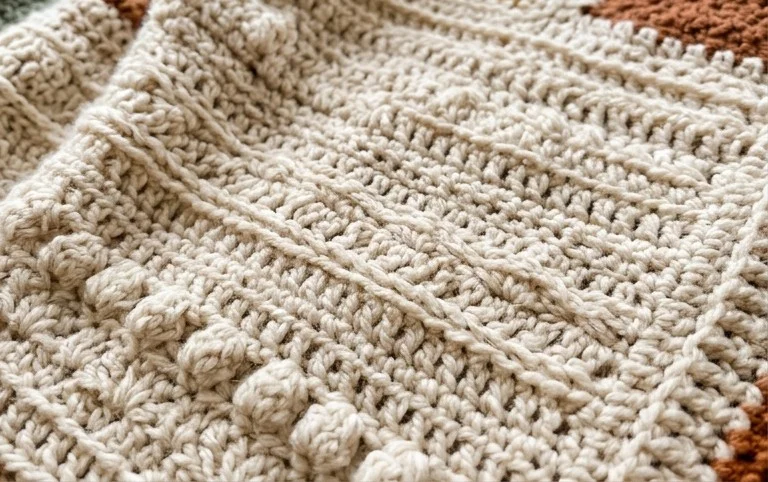
Your finished sampler blanket brings a unique personality to any room while showing off the new skills you picked up along the way. Try working this in a solid neutral color if you want the stitch texture to stand out, or switch to a variegated yarn for a playful, scrap-friendly aesthetic. Share a photo of your progress online so others can see how your color choices turned out. Check back here for more free patterns to help you keep your needles moving and your yarn stash growing.