Mini Basketweave Blanket: Free Easy Crochet Pattern
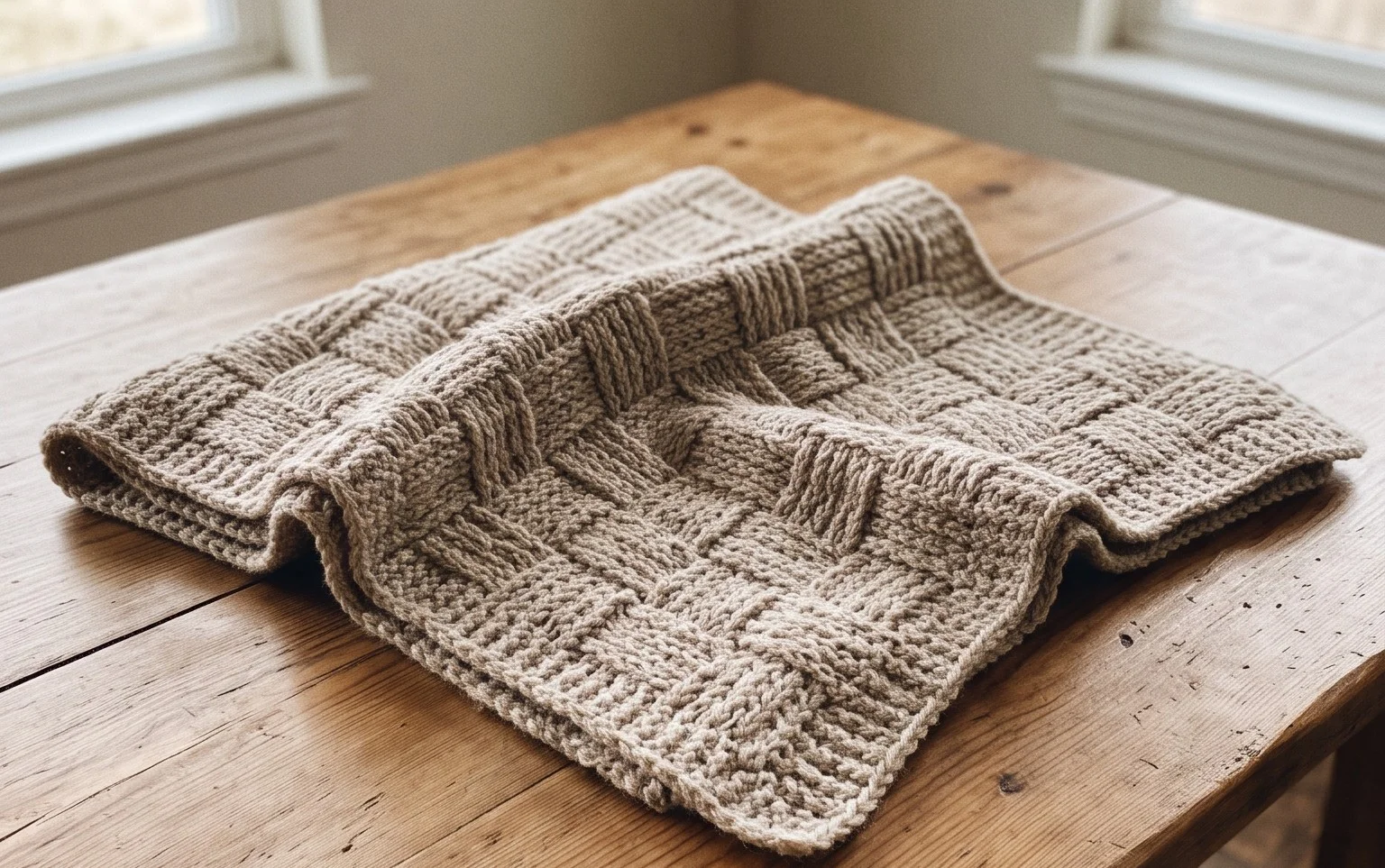
Soft cotton yarn creates a dense, squishy fabric that keeps little hands warm and looks beautiful draped over a nursery chair. This project relies on the classic basketweave stitch, which uses alternating front and back post double crochet stitches to create a thick, woven appearance without any holes. It is a rewarding experience for anyone building their skills because the rhythm of the post stitches becomes meditative after a few rows. You will learn to manipulate your hook around the vertical posts of the fabric, a skill that adds professional weight and dimension to all your future handmade blankets.
Why Crocheters Love It
This classic crochet dishcloth pattern provides an ideal way to practice fundamental techniques while creating a durable, functional item for the kitchen. Using 100 percent cotton yarn creates a fabric that is absorbent and easy to launder, which is exactly what you need for everyday cleanup. Because it works up quickly, it serves as a reliable project for using up small amounts of leftover yarn from larger blankets or garments. The stitch texture provides just enough scrubbing power without being overly abrasive on delicate surfaces.
I managed to finish three of these over the weekend using some spare cotton yarn I had sitting in my stash. They have held up perfectly through multiple machine washes and are far more absorbent than the synthetic versions I used to buy at the store.
— Sarah, home crafter
Pattern Overview & Skill Level
- Skill Level: Beginner
- Approximate Time: 45 to 60 minutes
- Construction: Worked in rows back and forth, starting from a foundation chain
- Finished Dimensions: 8 inches by 8 inches
Materials & Supplies Needed
- Yarn: Worsted weight (#4) 100 percent cotton yarn, approximately 50 yards per cloth
- Hook Size: 5.0 mm (H-8)
- Notions: Tapestry needle for weaving in ends, scissors
- Yarn Substitutions: You may use a cotton-acrylic blend for a softer feel, though this will slightly decrease the absorbency compared to pure cotton. Avoid wool, as it will felt during the frequent washing required for dishcloths.
Stitch Guide & Abbreviations (US Terms)
- ch: chain
- sc: single crochet
- dc: double crochet
- st(s): stitch(es)
- yo: yarn over
- sl st: slip stitch
- Moss Stitch: A combination of single crochet and chain stitches where the single crochet is worked into the chain space of the row below.
Step-by-Step Pattern Instructions
This pattern uses the moss stitch to create a dense, squishy fabric. You will chain an even number to begin.
Main Body
- Foundation: Ch 30.
- Row 1: Sc in the 4th ch from the hook. *Ch 1, skip 1 ch, sc in the next ch. Repeat from * across. Turn. (14 sc, 14 ch-1 spaces)
- Row 2: Ch 2 (counts as ch 1), skip the first sc, sc in the first ch-1 space. *Ch 1, skip the next sc, sc in the next ch-1 space. Repeat from * across, ending with a sc in the turning chain space. Turn. (14 sc, 14 ch-1 spaces)
- Rows 3 through 30: Repeat Row 2 until the piece measures approximately 8 inches from the starting edge.
Finishing
Once you reach the desired length, fasten off by cutting the yarn and pulling the tail through the final loop. Use a tapestry needle to weave the tail end back and forth through the stitches on the wrong side to secure it. Trim any excess yarn close to the fabric surface.
Care & Washing Instructions
- Machine wash your dishcloths in warm water with similar colors to prevent dye bleeding.
- Tumble dry on low heat or lay flat on a clean towel to dry completely.
- Reshape the cloth by pulling gently on the corners while it is damp to ensure it remains square.
Pro Tips & Common Mistakes to Avoid
Maintaining consistent tension is the most important factor for a professional finish. If your chain stitches are too tight, the starting edge will shrink inward; try using a hook one size larger for your foundation chain only if you struggle with this. Always use a stitch marker at the end of each row to keep track of your turning chain, as it is easy to skip the last stitch and accidentally decrease your count. Weaving your ends in by catching the inner loops of the stitches creates an invisible join that will not unravel during heavy scrubbing. To adjust the size, simply add or subtract chains in multiples of two; remember that a larger size will require additional yardage.
Frequently Asked Questions
Can I make this dishcloth larger to use as a washcloth?
Yes, you can increase the dimensions by adding more chains to your foundation or by continuing the row repeats until you reach your desired square size. Ensure you always start with an even number of chains.
Is this pattern suitable for someone who has never crocheted before?
This is an excellent project for beginners because it uses only two basic stitches—single crochet and chain—in a repetitive, easy-to-memorize sequence.
What is the best way to substitute cotton yarn?
Look for yarn labeled as kitchen cotton, which is typically mercerized or tightly spun for strength. Avoid any yarn that is labeled as hand-wash only or delicate, as kitchen linens need to withstand high-heat washing.
Can I sell the finished items made from this pattern?
You are welcome to sell finished items made from this pattern provided you credit the designer. Please do not distribute or sell the pattern text itself.
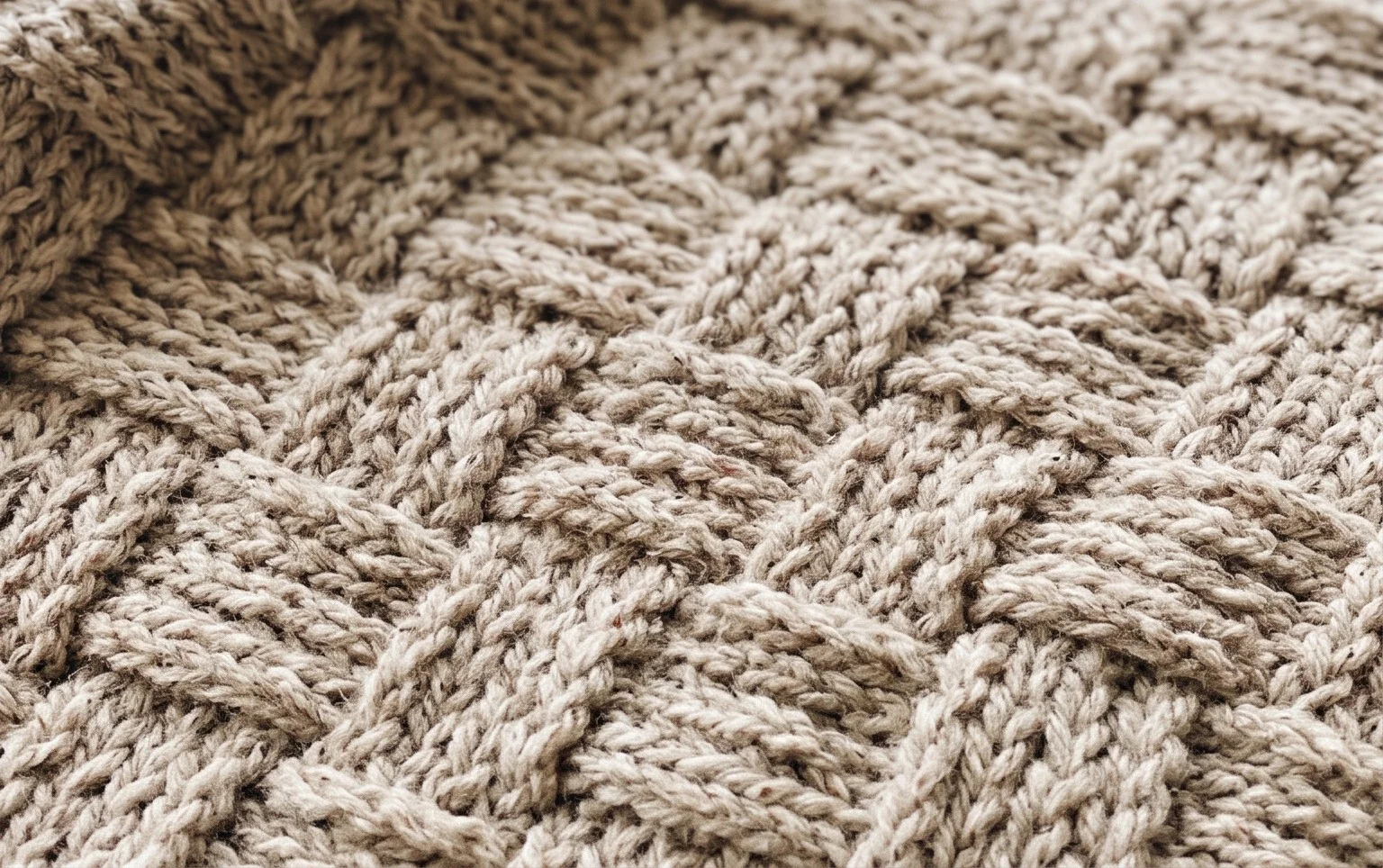
Seeing the finished texture of your project emerge from the yarn is a satisfying reward for your hours of work. If you want to customize this piece, try using two strands of yarn held together for a chunkier weight or switch to a variegated cotton for a playful look. Take a picture of your finished work and share it with our community on social media. Check back here often for more free patterns to fill your home with handmade warmth.